
Self-Awareness and Emotional Intelligence: The Foundation of Strong Leadership and Healthy Relationships

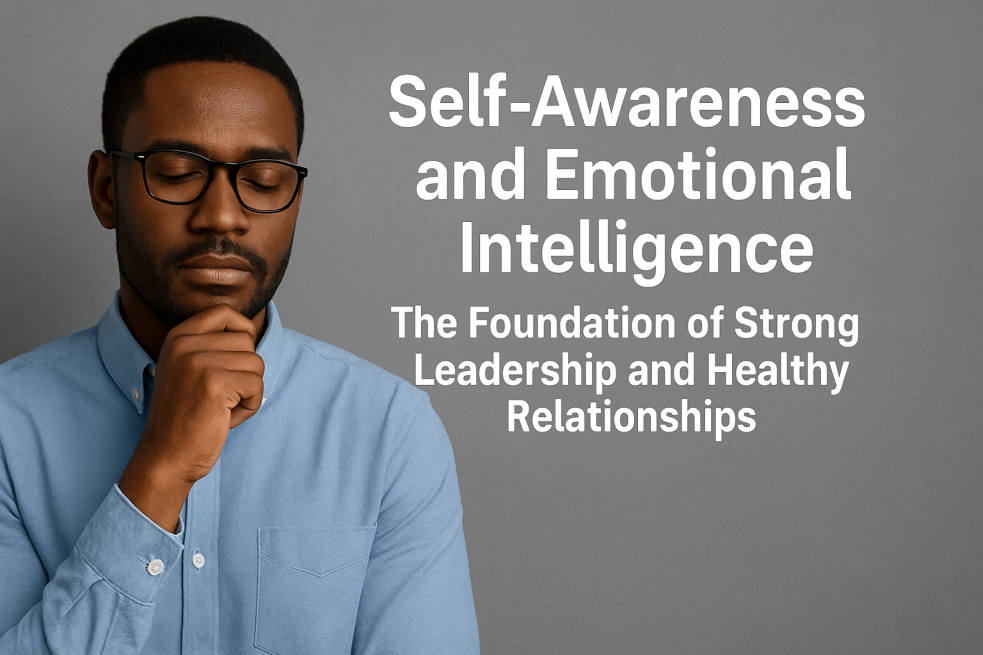
Many people talk about emotional intelligence (EQ), but few understand that everything begins with one core skill—self-awareness. If EQ is a house, self-awareness is the foundation. Without it, leadership becomes unstable, relationships feel confusing, and stress becomes harder to manage.
In a fast-changing world where personal growth, leadership, and relational intelligence matter more than ever, understanding how self-awareness and emotional intelligence work together can transform your life.
This article breaks down what they mean, how they connect, and how to activate both in practical ways.
What Is Self-Awareness?
Self-awareness is the ability to understand:
-
What you feel
-
Why you feel it
-
How your emotions shape your actions
-
How your behavior affects others
It’s not about overthinking—it’s about observing yourself with honesty.
How to Grow Self-Awareness
Here are simple, practical habits anyone can start today:
1. Pause and Identify Your Emotions
Ask yourself:
-
“What am I feeling right now?”
-
“What triggered this?”
Naming the emotion reduces its power and helps you respond wisely.
2. Understand Your Triggers and Patterns
Notice:
-
Who drains or inspires you
-
Situations that bring out your best or worst
-
Why certain words or moments unsettle you
Patterns reveal your emotional DNA.
3. Listen to Your Body
Your body often reacts before your mind:
-
Tight chest = stress
-
Fast heartbeat = anxiety
-
Tension = frustration or anger
This awareness helps you manage yourself early.
4. Ask for Honest Feedback
Sometimes people around you see what you don’t.
Healthy feedback accelerates emotional maturity.
5. Practice Reflection (Journaling or Voice Notes)
Writing or speaking your thoughts slows down your mind and exposes hidden beliefs.
6. Spend Time in Stillness
Silence allows you to hear your inner world without noise or pressure.
The Four Components of Emotional Intelligence
Emotional intelligence is built on four pillars. When these work together, you become more grounded, more effective, and more relationally wise.
1. Self-Awareness
-
Your emotions
-
Your strengths
-
Your blind spots
-
Your motivations
This is the foundation of all the others.
2. Self-Management
This is emotional discipline:
-
Staying steady under pressure
-
Managing impulses
-
Thinking before reacting
-
Staying committed even when stressed
This is where maturity shows.
3. Social Awareness (Empathy)
Understanding the emotions of others:
-
Reading body language
-
Listening beneath the surface
-
Picking up emotional cues
-
Responding with care
People feel seen and valued around those who have this skill.
4. Relationship Management
Using your understanding of emotions to build healthy interactions:
-
Conflict resolution
-
Clear communication
-
Inspiring others
-
Building trust
-
Strengthening bonds
This is the heart of effective leadership and meaningful relationships.
Why Self-Awareness and Emotional Intelligence Matter in Leadership
Leadership is no longer just about skill—it’s about emotional strength.
Leaders with high EQ:
-
Make clearer decisions
-
Stay calm under pressure
-
Communicate with clarity
-
Build high-trust environments
-
Create healthy team cultures
-
Inspire others more naturally
Leadership without EQ is unpredictable.
Leadership with EQ is steady, inspiring, and effective.
Why They Matter in Relationships
Great relationships are built on emotional understanding.
EQ helps you:
-
Communicate without attacking
-
Listen without defensiveness
-
Recognize your own emotional cycles
-
Understand your partner’s needs
-
Apologize and repair quickly
-
Break unhealthy patterns
Without emotional intelligence, relationships feel draining.
With emotional intelligence, relationships thrive.
Simple Summary
-
Self-awareness is the root.
-
Emotional intelligence is the growth.
-
Leadership and relationships are the fruit.
Whether you want to improve your business, strengthen your relationships, or grow spiritually and emotionally, mastering self-awareness and EQ is one of the greatest investments you can make.


